
Training delivered by Professionals, with over 3 decades of real life front line experience, engaging students through interacticion to enrich and embed the learning experience.
Get in touch with us at trainin2u@gmail.com
Professional Evacuation Chair Training Services
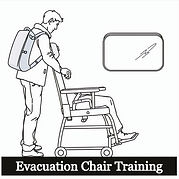
Master the essential skills with our evacuation chair training to ensure safe evacuations during emergencies. This comprehensive training covers techniques and best practices for using evacuation chairs effectively. Elevate your preparedness and confidence with our expert-led sessions. Book now to secure your spot in this vital safety program.
Course Intended Audience
Evacuation chair training is for people responsible for assisting others to safely evacuate a building using stair evacuation chairs during emergencies.
Typical learners include:
-
Fire wardens / marshals
-
Facilities and building managers
-
Health and safety officers
-
Office staff in multi-storey buildings
-
Care home and hospital staff
-
University and school site staff
-
Security staff and reception teams
-
Workplace first aiders involved in evacuation procedures
-
Maintenance and estates teams
-
Hospitality staff in hotels and venues with upper floors
-
It is especially relevant in buildings where:
-
lifts cannot be used during emergencies
-
disabled or mobility-impaired individuals may need assistance evacuating
Course Aims
The main aims are to ensure learners can safely and effectively use an evacuation chair to assist people down stairs during an emergency evacuation
Course Duration
Course Validation
In the UK, there is no fixed legal interval that says evacuation chair training must be done every X years. However, it is guided by fire safety law and risk assessment requirements under the UK Regulatory Reform (Fire Safety) Order 2005.
🪑 Recommended frequency (best practice)
Most UK training providers and fire safety policies recommend:
-
Initial training when staff are assigned evacuation duties
-
Refresher training every 12 months (common industry standard)
-
More frequent refreshers (6 months) in higher-risk environments such as:
-
Care homes
-
Hospitals
-
Large public venues
-
High staff turnover settings
-
-
🔁 Training should also be repeated:
-
When new evacuation chairs are introduced
-
After changes to building layout or evacuation procedures
-
If staff have not used the equipment for a long period
-
After incident reviews or fire drills highlighting issues
-
When staff take on new fire marshal or evacuation roles
-
If confidence or competence declines
🧠 Key principle
Under UK fire safety law, employers must ensure staff are:
“adequately trained and competent” to carry out evacuation duties safely.
So frequency is based on employers risk assessment:
-
risk level
-
staff turnover
-
building complexity
-
organisational policy
rather than a strict legal timeline.
Course Content
-
Understand legal responsibilities under UK manual handling regulations
-
Reduce risk of injury to staff and service users
-
Promote safe working practices in care environments
-
Identify hazards and assess risks before moving a person
-
Use correct moving and handling techniques
-
Maintain dignity, comfort, and safety of the individual being moved
-
Use equipment safely (e.g. hoists, slide sheets, transfer boards)
-
Prevent musculoskeletal injuries (especially back injuries)
-
Work effectively as part of a team when required
-
Understand emergency evacuation procedures
-
Identify when and how to use an evacuation chair safely
-
Safely deploy and operate evacuation equipment
-
Assist mobility-impaired individuals during evacuation
-
Work as part of a team during emergency situations
-
Maintain control and safety on stairways during descent
-
Reduce risk of injury to both evacuee and operator
-
Increase confidence in emergency response situations
-
Understand legal and organisational responsibilities under fire safety procedures
Individual £150.00 PP
Group / on-site booking (up to 12 people) £500.00
Training 2 U, covers first aid training, paediatric first aid tracing, Cardiopulmonary aresuscitatioo, moving and handling training evacuation Chair Training in all of these areas, Merseyside, Lancashire, Cheshire, Manchester, Southport, Formby, Crosby, Waterloo, Liverpool, Bootle, Litherland, Seaforth, Netherton, Maghull, Kirkby, Huyton, St Helens, Whiston, Rainford, Billinge, Newton Le Willows, Widnes, Runcorn, Warrington, Garston, Page Mass, Walton, Fazakerley, Aintree, Kirkdale, Everton, Anfield, Wallacy, Birkenhead, Ellesmere Port, Port Sunlight, New Brighton, Oxton, Heswall, Arrowe Park, Wirral, Salford, Trafford, Wigan,