


School Allergy Management Guide for Safer Teams

Updated: 3 days ago
A pupil has eaten something they should not have, develops a rash and says their throat feels tight. In that moment, a school allergy management guide is not paperwork for a folder. It is the difference between staff hesitating and staff taking calm, effective action to protect a child.
Food allergies are common in schools, but the risk is not limited to lunchtime. Reactions can happen during breakfast clubs, cooking lessons, class celebrations, school trips and after-school activities. Every setting needs a clear, practical plan that protects pupils while giving staff the confidence to respond under pressure.
What effective school allergy management looks like
Good allergy management brings together prevention, communication and emergency response. No single measure can remove every risk. A nut-free policy, for example, may reduce exposure but cannot guarantee that allergens will never enter the building. The aim is to reduce avoidable risk and ensure that the right people can act immediately if a reaction occurs.
School leaders should make allergy arrangements part of their wider health and safety culture. This means knowing which pupils have allergies, understanding the specific risks they face, keeping emergency medication accessible and ensuring staff know their individual responsibilities.
The plan should be reviewed whenever a child joins the school, their medical needs change, or an incident highlights a gap. A plan written several years ago may not reflect current pupils, current staff or the practical realities of the school day.
Build individual plans around the pupil
A generic allergy policy is necessary, but it cannot replace an individual healthcare plan. Parents or carers, school staff and relevant healthcare professionals should agree clear arrangements for each pupil with a diagnosed allergy.
The plan should identify the allergen, known symptoms, prescribed medication, who can administer it, where it is stored and what action to take in an emergency. It should also cover less obvious situations. Consider classroom food activities, packed lunches, dining arrangements, residential trips, transport and cover staff.
Information must reach the people who need it without being shared carelessly. Teachers, teaching assistants, lunchtime supervisors, catering staff, office staff and trip leaders may all have a role. A photograph and concise emergency instructions can be useful where they are held securely and updated promptly.
Parents should be encouraged to report changes quickly. Allergies can change over time, and a previous mild reaction does not guarantee that a future reaction will be mild.
Reduce exposure without creating false confidence
Prevention begins with sensible daily routines. Staff should understand cross-contamination, particularly in food preparation areas and during practical lessons. Handwashing before and after eating matters. Tables and shared equipment should be cleaned properly, and pupils should not share food, drinks or utensils.
Catering arrangements require particular care. The school should have accurate allergen information available for food provided on site and a reliable process for checking meals for individual pupils. If there is any doubt about whether a meal is safe, do not guess. Pause, check and provide a safe alternative.
Schools also need a realistic approach to restrictions. Blanket bans can be difficult to enforce and may create a false sense of security. A proportionate risk assessment may lead to restrictions in particular classrooms, clubs or activities, especially where a pupil is at high risk. The right decision depends on the pupil’s needs, the age of children and how food is handled in that environment.
Prepare staff to recognise anaphylaxis
Anaphylaxis is a severe allergic reaction that can develop quickly and become life-threatening. Staff should never wait for every possible symptom before acting if they suspect anaphylaxis. Early action saves lives.
Warning signs may include swelling of the lips, tongue or throat; difficulty breathing, wheezing or persistent coughing; a hoarse voice; dizziness, fainting or collapse; widespread hives; or a sudden change in how a child looks or behaves after exposure to an allergen. Some reactions involve the skin, while others do not. Breathing and circulation symptoms are particularly serious.
Staff must know where adrenaline auto-injectors are kept and be able to access them immediately. Medication locked away, stored in an unfamiliar office or carried by a staff member who is off site is not an effective emergency arrangement.
Where a pupil has prescribed adrenaline auto-injectors, schools should follow the pupil’s healthcare plan and the device instructions. If anaphylaxis is suspected, use the prescribed auto-injector without delay, call 999, state that anaphylaxis is suspected and request an ambulance, then contact the pupil’s parent or carer. The pupil must be monitored continuously and should not be left alone.
If symptoms do not improve, worsen or return, a second auto-injector may be required according to the healthcare plan and device guidance. Even if the child appears to recover, hospital assessment is still required because symptoms can recur.
Make emergency roles clear before an incident
In an emergency, unclear roles waste valuable seconds. Your school’s procedure should identify who administers medication, who calls 999, who meets the ambulance, who contacts parents and who supervises other pupils. Smaller schools may need one person to cover more than one role, but the process still needs to be understood and practised.
Emergency medication should accompany the pupil on trips, during sports and at off-site activities. Trip leaders need access to the healthcare plan, parent contact details and a means of calling emergency services. A risk assessment should consider travel time, the remoteness of the venue, food provision and whether staff have appropriate training.
A useful test is to ask a new member of staff: could they locate the medication and explain what to do within one minute? If not, the system needs strengthening.
Train for the reality of the school day
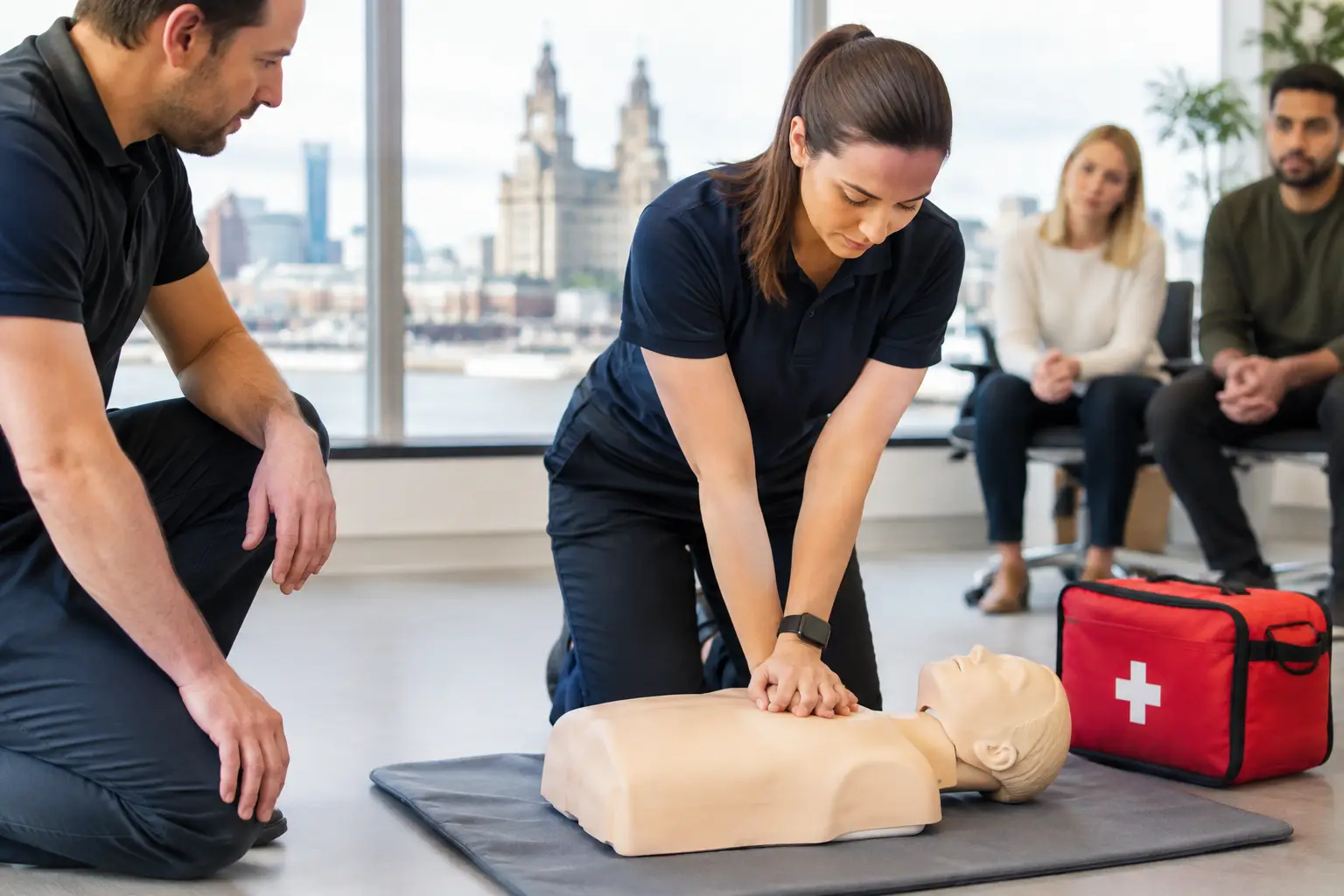
Reading a policy is not the same as being able to respond to a child who is struggling to breathe. Staff need practical, role-specific training that covers recognising allergic reactions, using auto-injector trainers, calling for emergency help and managing the immediate aftermath.
Training should include the staff most likely to be present when food is eaten or symptoms begin, not only senior leaders or designated first aiders. Lunchtime teams, breakfast club staff, teachers, support staff and trip leaders all need the level of knowledge appropriate to their role.
Regular refreshers matter because confidence fades when skills are not used. Short scenario-based practice can expose simple but serious issues: a missing medication bag, a locked gate delaying ambulance access, or a supply teacher who has not received essential information.
Training 2 U delivers practical first aid and anaphylaxis training at workplaces and education settings across the North West, helping teams build usable skills from frontline clinical experience. The most valuable outcome is not simply a certificate. It is a team that can act decisively when every second counts.
Review every incident and near miss
After any allergic reaction, suspected exposure or medication error, carry out a proportionate review. The purpose is not to blame a member of staff. It is to identify what happened, what worked and what needs to change.
Check whether emergency medication was immediately available, whether information reached the right people, whether staff followed the agreed process and whether the family received clear communication. Update the pupil’s plan and wider procedures where needed.
Near misses deserve attention too. A wrongly labelled meal caught before it was served may reveal a weakness in a process that could have had serious consequences on another day.
A safer school is a prepared school
Allergy management works best when it is visible in everyday routines, not treated as a specialist issue for one member of staff. Protect your pupils, support your team and meet your duty of care by making prevention practical and emergency action familiar. When a child needs help, calm preparation gives staff the confidence to do the right thing straight away.


Comments