


Integrating Combined First Aid Safety for a Safer Community

When it comes to keeping ourselves and those around us safe, combining first aid with safety training is a powerful approach. I’ve seen firsthand how integrating these two essential skills can make a real difference in emergencies. Whether you work in healthcare, education, industry, or simply want to be prepared in everyday life, understanding how these areas connect is invaluable. Let’s explore how combined first aid safety training can empower you and your community.
Why Combined First Aid Safety Training Matters
Safety training and first aid often go hand in hand, but they are sometimes treated as separate topics. When we bring them together, the benefits multiply. Safety training focuses on preventing accidents and hazards, while first aid prepares you to respond effectively if something does go wrong. Together, they create a comprehensive safety net.
For example, in an industrial setting, safety training might teach you how to handle machinery safely and avoid risks. But if an accident happens, knowing first aid means you can provide immediate care, potentially saving lives before professional help arrives. This combined approach builds confidence and readiness.
In schools, staff trained in both areas can create a safer environment for children. They can spot hazards early and act quickly if a child gets hurt. This dual skill set is a game-changer for any workplace or community.

How to Implement Combined First Aid Safety in Your Organisation
Implementing combined first aid safety training doesn’t have to be complicated. Here are some practical steps to get started:
Assess Your Needs - Identify the specific risks and common emergencies in your environment. This helps tailor the training to what matters most.
Choose Accredited Training Providers - Look for providers who offer courses that cover both safety and first aid comprehensively.
Schedule Regular Training Sessions - Keep skills fresh with ongoing training, not just one-off sessions.
Encourage Participation - Make training accessible and engaging for everyone, from management to frontline staff.
Create Clear Procedures - Develop easy-to-follow safety and first aid protocols that everyone knows.
Provide the Right Equipment - Ensure first aid kits, safety gear, and emergency supplies are available and well-maintained.
By following these steps, you’ll build a culture where safety and first aid go hand in hand, making your workplace or community safer and more prepared.
What are the 5 Rules of First Aid?
Understanding the basic rules of first aid is essential for anyone involved in combined first aid safety training. These five rules guide your actions during an emergency:
Assess the Situation - Always check the scene for danger before approaching. Your safety comes first.
Call for Help - Contact emergency services or alert others immediately if the situation is serious.
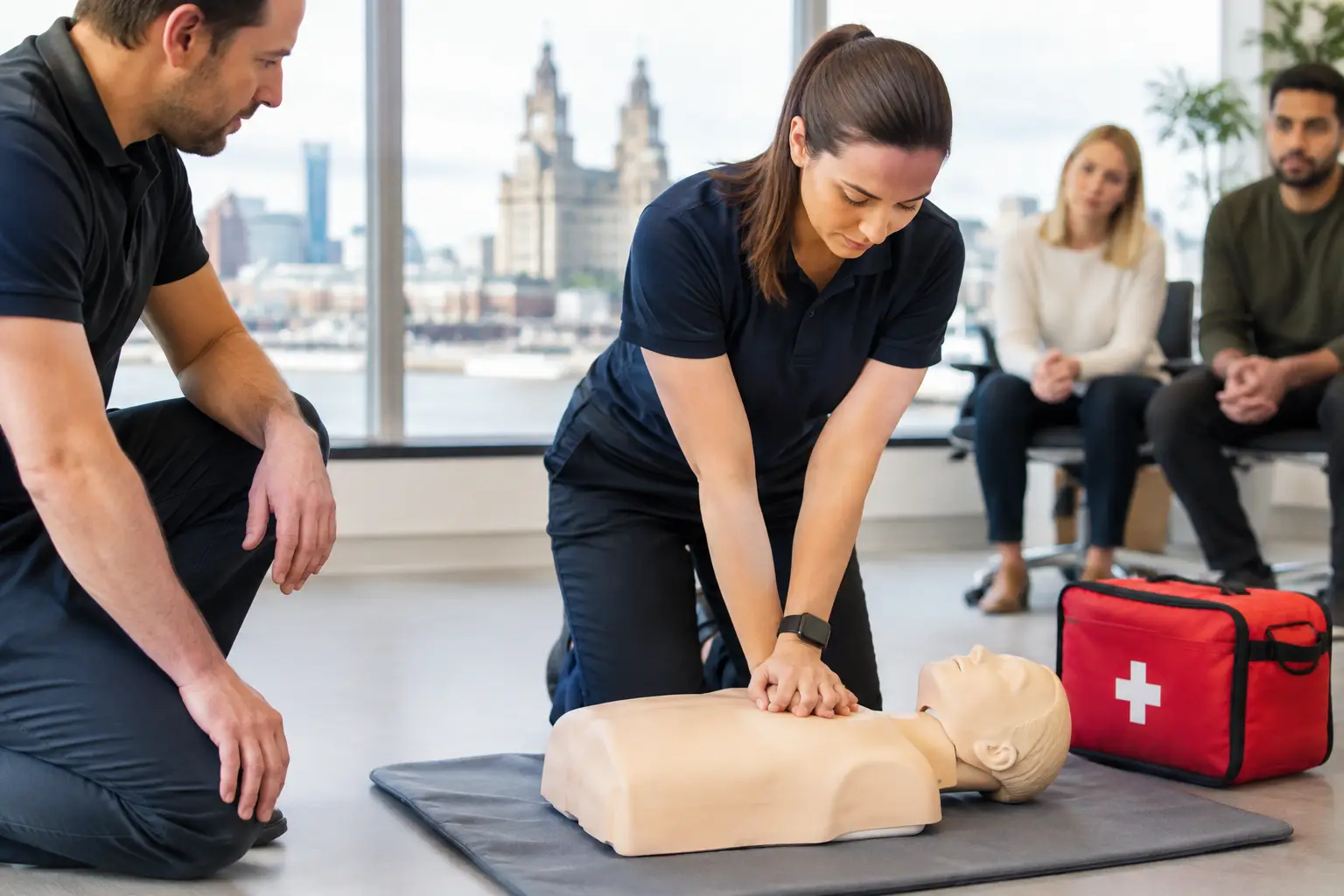
Provide Care - Offer appropriate first aid based on the injury or condition, such as stopping bleeding or performing CPR.
Reassure the Casualty - Keep the injured person calm and comfortable while waiting for professional help.
Record and Report - Document what happened and the care given to assist further treatment and improve safety measures.
These rules are simple but powerful. They help you stay calm and effective when every second counts.

Practical Tips for Combining First Aid and Safety Training
To make the most of your combined first aid safety training, here are some tips that work well in real life:
Use Realistic Scenarios - Practice with scenarios that reflect your actual environment. This makes training more relevant and memorable.
Involve Everyone - Encourage all team members to participate, regardless of their role. Emergencies can happen anywhere.
Keep It Interactive - Use hands-on activities, quizzes, and group discussions to keep energy high and learning effective.
Update Regularly - Safety standards and first aid guidelines evolve. Stay current with refresher courses and new information.
Promote a Safety Culture - Celebrate successes and encourage reporting of hazards to continuously improve safety.
By applying these tips, you’ll create a proactive and prepared team ready to handle emergencies confidently.
Empowering the North West UK with Life-Saving Skills
In the North West UK, there’s a growing need for accessible and engaging combined first aid safety training. Whether you’re part of a healthcare team, a school, an industrial workplace, or an individual wanting to be prepared, this training is a vital investment.
Training 2 U Limited is dedicated to being the go-to provider for comprehensive and engaging first aid and safety training across the region. Their courses are designed to empower you with the skills and confidence to act decisively in emergencies. By integrating first aid with safety training, they help build safer workplaces and communities.
Remember, being prepared is not just about knowing what to do - it’s about feeling ready to make a difference when it matters most. Together, we can create a safer North West UK, one training session at a time.
I hope this post inspires you to explore combined first aid safety training and see how it can benefit your environment. The skills you gain could one day save a life. Let’s take that step forward together!


Comments