


Find Local Life Support Classes and Save Lives Today
Learning basic life support (BLS) is one of the most valuable skills you can gain. Whether you work in healthcare, education, industry, or simply want to be prepared in everyday life, knowing how to respond in an emergency can make all the difference. I’m excited to share how you can find local life support classes that fit your schedule and needs. Together, we can build a safer community by empowering more people with these essential skills.
Why Local Life Support Classes Are a Smart Choice
Choosing local life support classes has many benefits. First, it’s convenient. You don’t have to travel far, which means you can fit training into your busy day more easily. Plus, local trainers often understand the specific needs of your community or workplace. This means the training is relevant and practical.
Another great advantage is the chance to connect with others nearby who share your commitment to safety. You can practice skills together, ask questions, and build confidence in a supportive environment. Many local courses also offer flexible times, including evenings and weekends, so you can find something that suits you.
If you’re wondering where to start, just search for basic life support training near me. This will help you find trusted providers offering courses close to home.

What You Will Learn in Basic Life Support Training
Basic life support training covers essential techniques to help someone in a medical emergency. The course usually includes:
Recognising an emergency - Knowing when someone needs urgent help.
Calling for help - How to quickly contact emergency services.
Performing CPR - Chest compressions and rescue breaths to keep blood flowing.
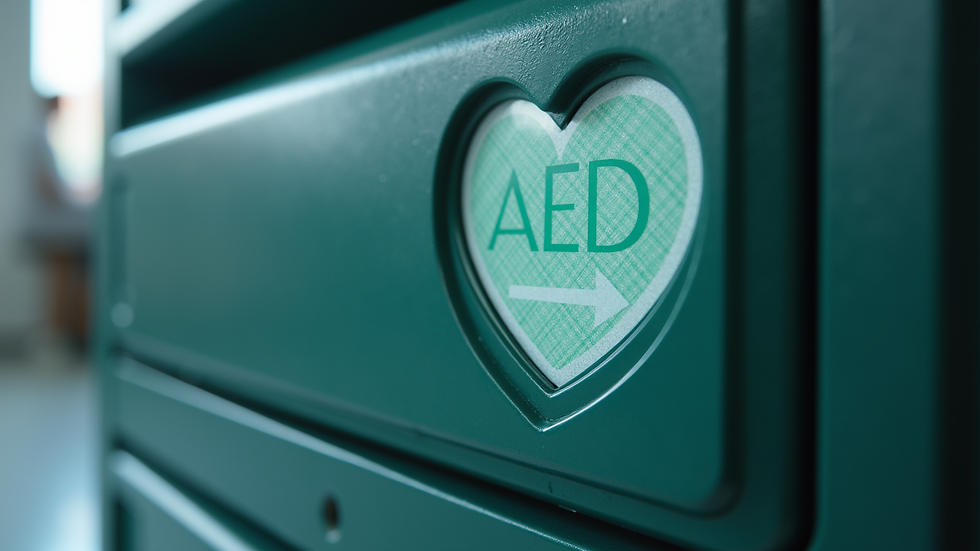
Using an AED - Operating an automated external defibrillator safely.
Managing choking - Helping someone who is struggling to breathe.
Recovery position - Placing an unconscious but breathing person safely.
These skills are taught through clear demonstrations and hands-on practice. You’ll get to use mannequins and AED trainers to build your confidence. The trainers are friendly and patient, making sure everyone understands each step.
What are the 7 steps of basic life support?
Understanding the 7 steps of basic life support helps you remember what to do in an emergency. Here’s a simple breakdown:
Check for danger - Make sure the area is safe for you and the casualty.
Check for response - Gently shake the person and ask if they are okay.
Call for help - Dial 999 or ask someone nearby to do it.
Open the airway - Tilt the head back and lift the chin to open the airway.
Check breathing - Look, listen, and feel for normal breathing for up to 10 seconds.
Start CPR - If not breathing normally, begin chest compressions and rescue breaths.
Use an AED - Apply the defibrillator pads and follow the voice prompts.
These steps are designed to be easy to remember and follow, even in stressful situations. Practising them in a course will help you act quickly and confidently.
How to Choose the Right Local Life Support Class for You
When looking for a local life support class, consider these tips to find the best fit:
Accreditation: Make sure the course is certified by a recognised body. This ensures the training meets national standards.
Course length and format: Some courses are one day, others spread over several sessions. Choose what works best for your schedule.
Group size: Smaller groups mean more individual attention and practice time.
Trainer experience: Look for trainers with healthcare backgrounds or extensive teaching experience.
Location and facilities: A comfortable, well-equipped venue makes learning easier.
Cost: Compare prices but remember that quality training is an investment in safety.
Many providers offer tailored courses for different groups, such as schools, workplaces, or healthcare staff. Don’t hesitate to ask about custom options if you have specific needs.
Why Everyone Should Consider Basic Life Support Training
Emergencies can happen anywhere - at work, school, or home. Having more people trained in basic life support means more lives saved. It’s empowering to know you can make a real difference when seconds count.
If you work in healthcare or industry, BLS training is often a requirement. But even if it’s not mandatory, it’s a skill worth having. Schools benefit too, as staff can respond confidently to student emergencies.
By joining a local life support class, you’re not just learning skills - you’re joining a community of people who care. You’ll feel more prepared, less anxious, and ready to help when it matters most.
Ready to take the next step? Find basic life support training near me and book your place today. It’s easier than you think to become a lifesaver.
Keep Your Skills Fresh and Stay Confident
Learning basic life support is just the beginning. Skills can fade if not practised regularly. Most providers recommend refreshing your training every year or two. This keeps you up to date with the latest guidelines and boosts your confidence.
You can also practise simple drills at home or work with friends or colleagues. Some organisations offer refresher sessions or online resources to support ongoing learning.
Remember, the more you practise, the more natural it will feel to step in during an emergency. Staying prepared is a gift you give to yourself and your community.
Taking a local life support class is a positive step towards a safer environment for everyone. Whether you’re a healthcare professional, teacher, industry worker, or just someone who cares, these skills are invaluable. Don’t wait for an emergency to happen - get trained, stay ready, and be the difference in someone’s life.


Comments